
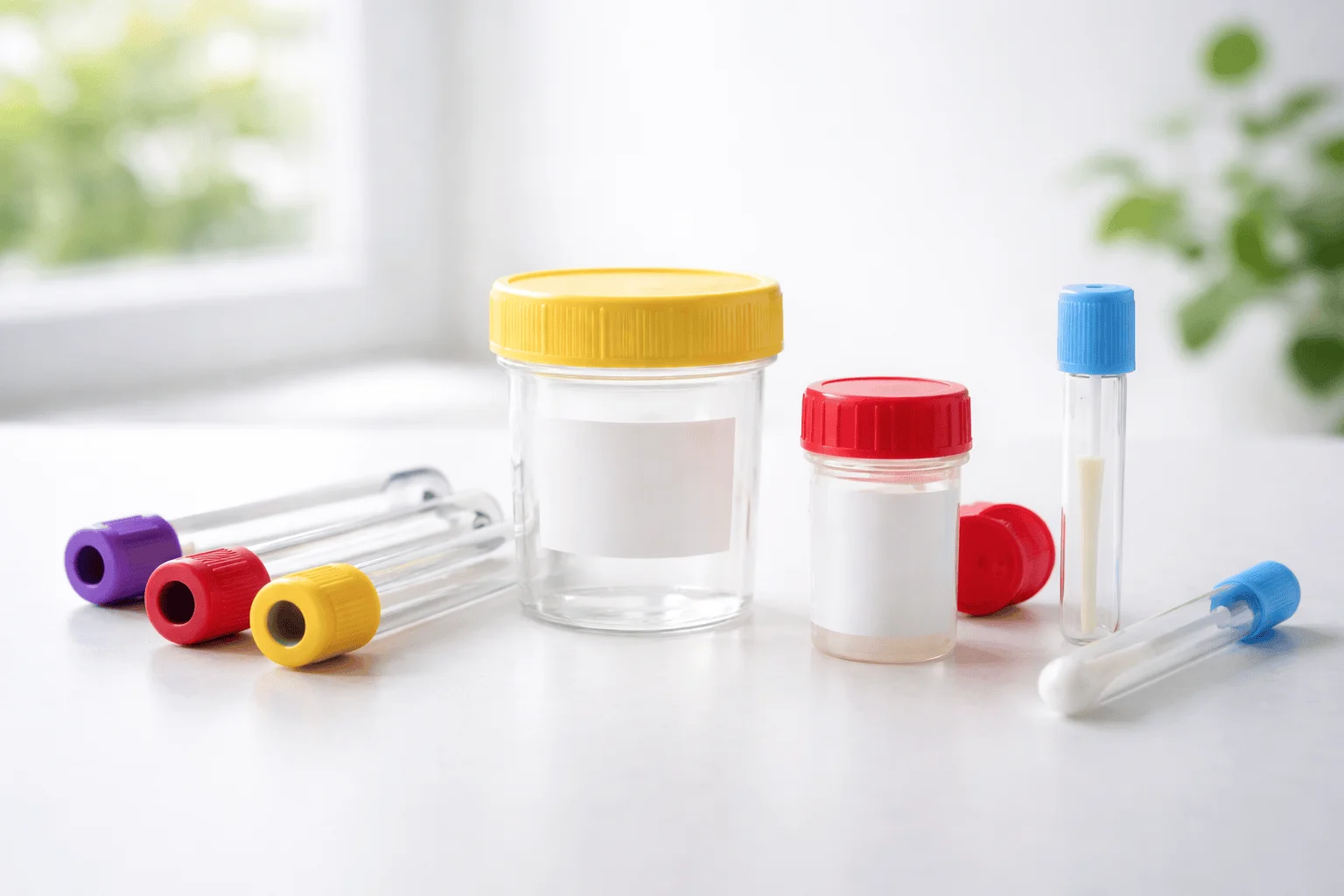
Preparing correctly for a lab test helps ensure results are accurate and meaningful. While many tests require little or no preparation, others are sensitive to timing, food intake, hydration, or recent activity. Understanding what preparation is required — and why — helps reduce unnecessary repeat testing and avoids confusion on the day of collection.
Why Preparation Matters
Lab tests measure specific markers in the body at a particular moment in time. Certain behaviours before testing, such as eating, exercising, or becoming dehydrated, can temporarily influence results.
Following preparation instructions helps ensure that results reflect your usual physiological state rather than short-term changes. This makes results easier to interpret and more useful for guiding next steps.
Preparing for Blood Tests
Many blood tests can be performed without special preparation. However, some tests are affected by recent food intake or timing.
Fasting blood tests
Certain blood tests require fasting, typically for 8–12 hours. These may include tests related to blood sugar or lipid levels. During a fasting period, water is usually allowed, but other drinks should be avoided unless instructed otherwise.
Hydration
Being well hydrated can make blood collection easier and may help reduce temporary concentration effects in some measurements. Drinking water before your appointment is generally encouraged unless you have been given specific restrictions.
Timing considerations
Some hormones and markers vary throughout the day. When timing matters, your lab or healthcare provider may specify a morning or time-specific collection.
Medications and supplements
Do not stop prescribed medications unless explicitly advised by a healthcare professional. In some cases, your provider may recommend timing a test in relation to medication use to support accurate interpretation.
Preparing for Urine Tests
Urine tests are commonly used to assess kidney function, hydration status, infections, or metabolic markers.
Timing of collection
Some urine tests use a single “spot” sample, while others require a first-morning sample or a 24-hour collection. Each method serves a different purpose, and it’s important to follow the specific instructions provided.
Hydration balance
Overhydration or dehydration can affect urine concentration. Aim for your usual fluid intake unless instructed otherwise.
Hygiene and collection
Using a clean container and following collection instructions helps reduce contamination and improves result reliability.
Preparing for Stool Tests
Stool tests are often used to evaluate digestive health, inflammation, or infection.
Collection timing
Stool samples are typically collected at home and returned to the lab within a specified timeframe. Some samples may need to be kept cool until delivery.
Diet and medications
In certain cases, diet or medications can influence results. Your lab will advise if any temporary adjustments are needed before collection.
Sample handling
Following storage and transport instructions carefully helps preserve sample integrity and reduces the need for repeat testing.
Other Sample Types
Depending on the test, additional sample types may include saliva, swabs, or breath samples. Each has specific handling and timing requirements, which are provided by the testing laboratory.
As with all lab testing, preparation instructions should be followed exactly as given.
Common Questions Before Testing
It is normal to wonder whether:
- You need to fast
- You can drink water
- Recent exercise matters
- Whether supplements could affect results
When in doubt, the safest approach is to follow the instructions provided by the laboratory or ask for clarification before your appointment.
For tests booked through bewellasia.co, your lab order will always include clear, test-specific preparation instructions. These should be followed exactly, as requirements vary depending on the tests selected and the laboratory performing them.
A Calm, Practical Approach to Testing
Preparing for lab tests does not need to be complicated. Most instructions are simple and designed to support accurate measurement rather than restrict daily life.
When preparation is done correctly, blood tests, urine tests, and other sample types provide clearer information and reduce unnecessary repeat testing. This supports more confident interpretation and better use of diagnostic results over time.
Disclaimer: This content is provided for general informational purposes only and is not a substitute for professional medical advice, diagnosis, or treatment.