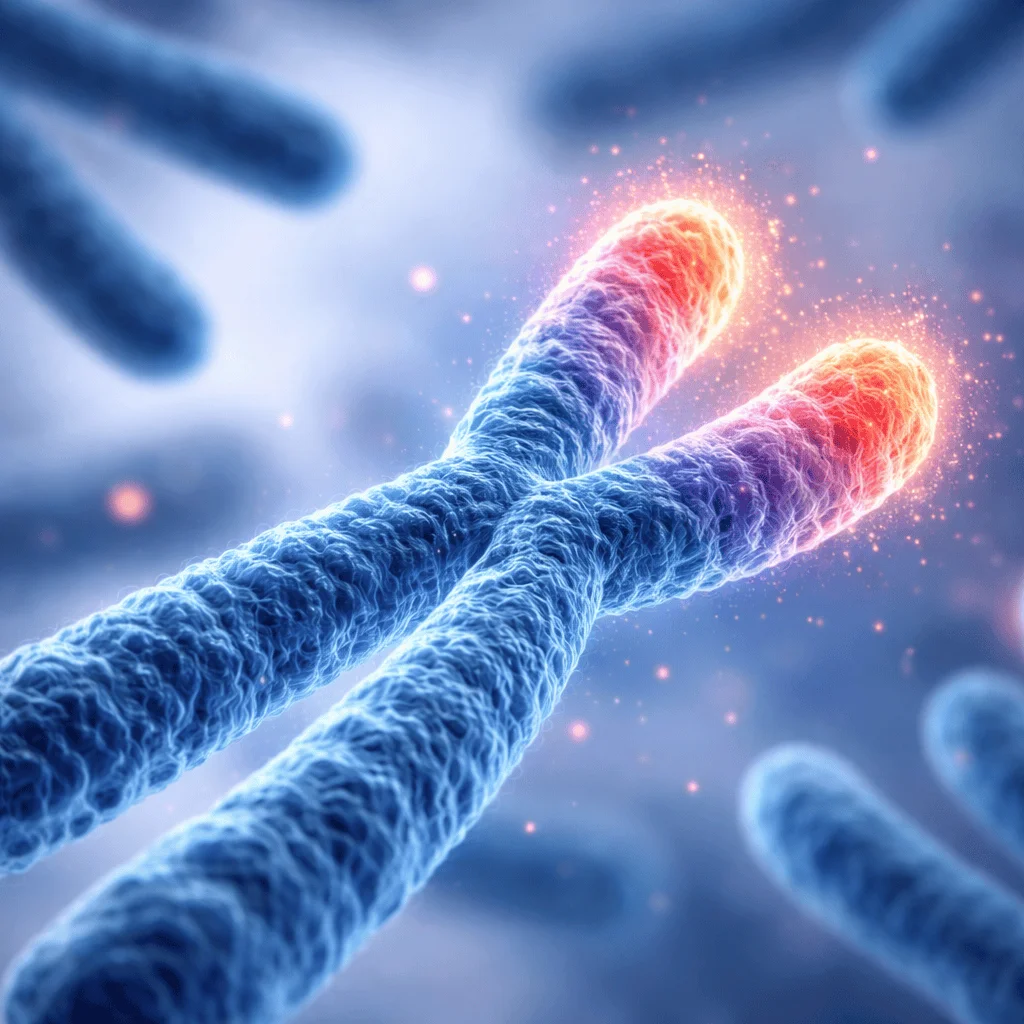

A DNA-based fitness profile analysing seven genetic variants associated with power, endurance, aerobic performance, oxygen consumption, inflammation and injury susceptibility.
Overview
This test examines genetic factors that may influence exercise performance alongside training, diet, environment and body type. The report states that genetics can contribute up to 66% and uses the results to help personalise training, nutrition and recovery.
DNA is extracted from a blood sample, and seven genetic positions are analysed using GAP-PCR and PCR-RFLP, as appropriate.
Genetic variants analysed
- ACE I/D
- ACTN3 R577X (rs1815739)
- ADRB2 G16R (rs1042713)
- ADRB2 E27Q (rs1042714)
- PPARGC1A G482S (rs8192678)
- TNF −308G>A (rs1800629)
- COL5A1 rs12722
What does the report assess?
- Performance type: Power or Endurance
- Aerobic performance: Normal or Enhanced
- Oxygen consumption (VO₂ max): Normal or Enhanced
- Inflammation: Normal risk or Increased risk
- Injuries: Normal risk or Increased risk
What does the report include?
- The report provides a results summary with personalised guidance covering:
- Power and endurance, including self-care and diet
- VO₂ max, including HIIT, hill and tempo training, iron-rich foods and hydration
- Injury and inflammation, including warming up, cooling down, pacing, weight control and anti-inflammatory foods
Important information
Results provide baseline health and lifestyle information only. They are not intended for diagnosis, monitoring, medical treatment, screening or prognosis.
Training, diet and rest also influence performance, energy use, endurance, inflammation and injury risk. A result that does not match your current sport or activity does not mean that you should stop or change it; it may simply highlight potential strengths and areas for development.