SPOT-MAS 10 เป็นการตรวจคัดกรองเพื่อค้นหาสัญญาณที่อาจสัมพันธ์กับมะเร็งหลายชนิดในระยะเริ่มต้น (Multi-Cancer Early Detection; MCED) จากตัวอย่างเลือดเพียงครั้งเดียว โดยครอบคลุมมะเร็ง 10 ชนิด การตรวจจะวิเคราะห์ DNA อิสระในกระแสเลือด (Cell-Free DNA; cfDNA) เพื่อค้นหาสัญญาณระดับโมเลกุลที่อาจสัมพันธ์กับมะเร็ง และหากตรวจพบสัญญาณดังกล่าว อาจสามารถระบุ เนื้อเยื่อหรืออวัยวะที่คาดว่าเป็นต้นกำเนิดของสัญญาณ ได้
มะเร็งที่ครอบคลุมในการตรวจ
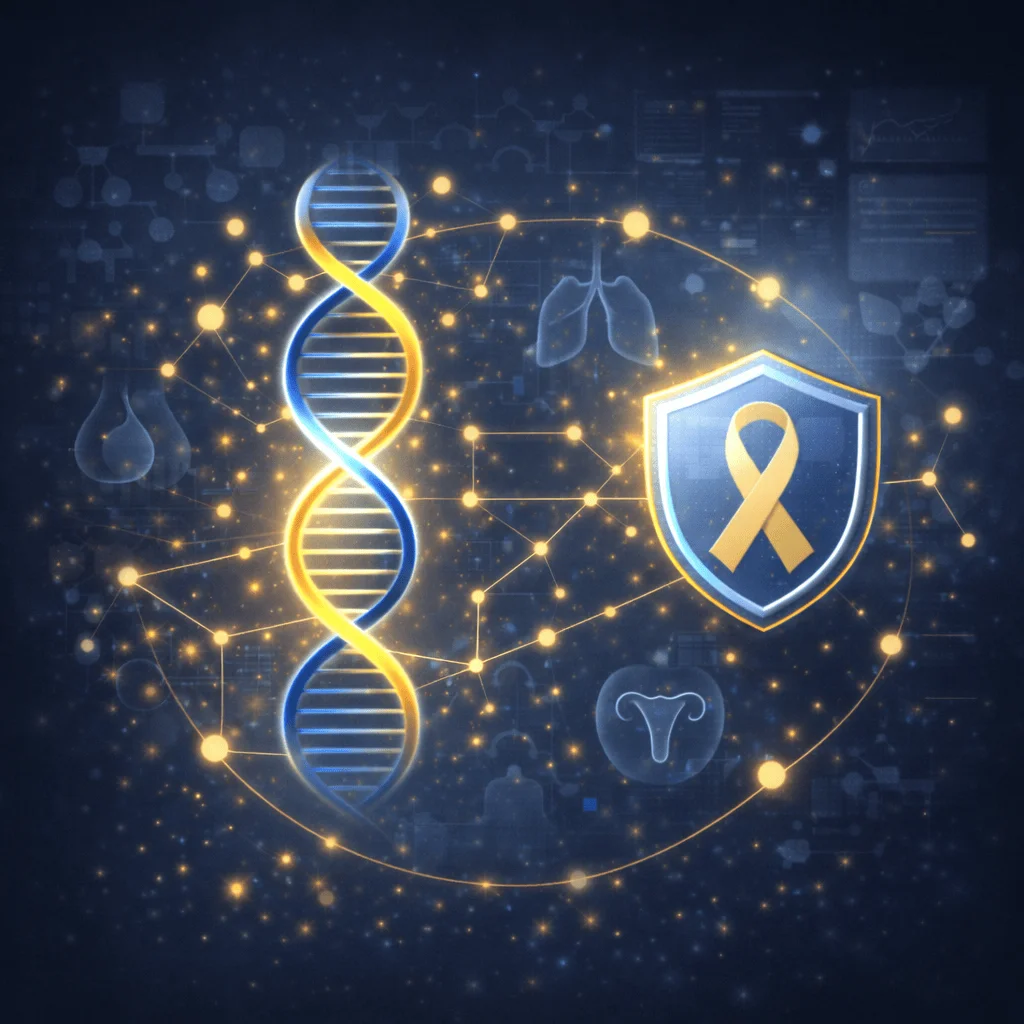
SPOT-MAS 10 ประเมินสัญญาณที่สัมพันธ์กับมะเร็ง 10 ชนิด ได้แก่
- มะเร็งเต้านม
- มะเร็งปอด
- มะเร็งลำไส้ใหญ่และไส้ตรง
- มะเร็งตับและทางเดินน้ำดี
- มะเร็งกระเพาะอาหาร
- มะเร็งรังไข่
- มะเร็งตับอ่อน
- มะเร็งหลอดอาหาร
- มะเร็งเยื่อบุโพรงมดลูก
- มะเร็งศีรษะและลำคอ
การตรวจทำงานอย่างไร?
เก็บตัวอย่างเลือดโดยใช้ชุดเก็บตัวอย่างเฉพาะสำหรับ SPOT-MAS จากนั้นห้องปฏิบัติการจะแยก DNA อิสระจากพลาสมา และวิเคราะห์ข้อมูลหลายรูปแบบ ได้แก่ ลักษณะทางพันธุกรรม การเปลี่ยนแปลงทางอีพิเจเนติก (Epigenetic) และรูปแบบของชิ้นส่วน DNA (DNA Fragmentation Patterns) ร่วมกับการวิเคราะห์ด้วย แมชชีนเลิร์นนิง (Machine Learning)
รายงานผลจะแสดงว่าตรวจพบ สัญญาณที่สัมพันธ์กับมะเร็ง (Cancer-Associated Signal) หรือไม่ และหากตรวจพบ อาจให้ข้อมูลเกี่ยวกับเนื้อเยื่อหรืออวัยวะที่คาดว่าเป็นต้นกำเนิดของสัญญาณ
ใครบ้างที่อาจพิจารณาการตรวจนี้?
การตรวจนี้อาจเป็นทางเลือกสำหรับผู้ใหญ่ที่ต้องการ
- ตรวจคัดกรองมะเร็งหลายชนิดจากการเก็บตัวอย่างเลือดเพียงครั้งเดียว
- ผู้ที่ต้องการการตรวจเพิ่มเติมนอกเหนือจากมะเร็งที่มีโปรแกรมคัดกรองมาตรฐาน
- ผู้ที่ยังไม่ได้รับการวินิจฉัยว่าเป็นมะเร็งแต่ต้องการตรวจคัดกรองเพิ่มเติม
- หรือผู้ที่ไม่มีประวัติมะเร็งในครอบครัว
ข้อมูลสำคัญที่ควรทราบ
SPOT-MAS 10 เป็น การตรวจคัดกรอง ไม่ใช่การตรวจเพื่อยืนยันการวินิจฉัยโรค
ผลตรวจที่เป็นบวกหรือพบสัญญาณที่สัมพันธ์กับมะเร็ง ไม่ได้ยืนยันว่าเป็นมะเร็ง และจำเป็นต้องได้รับการประเมินทางการแพทย์และการตรวจเพิ่มเติมที่เหมาะสม ในทางกลับกัน ผลตรวจที่เป็นลบ ไม่สามารถตัดความเป็นไปได้ของการมีมะเร็งได้ทั้งหมด และ SPOT-MAS 10 ควรใช้เป็นการตรวจเพิ่มเติม ไม่ใช่ทดแทนการตรวจคัดกรองมะเร็งตามแนวทางมาตรฐานที่เหมาะสมกับอายุ เพศ และปัจจัยเสี่ยงของแต่ละบุคคล การตรวจนี้ ไม่ได้ประเมินความเสี่ยงทางพันธุกรรมที่ถ่ายทอดในครอบครัว (Inherited Cancer Risk) และไม่ได้ออกแบบมาสำหรับผู้ที่ได้รับการวินิจฉัยว่าเป็นมะเร็งแล้ว